The science: how glutathione lightens skin tone
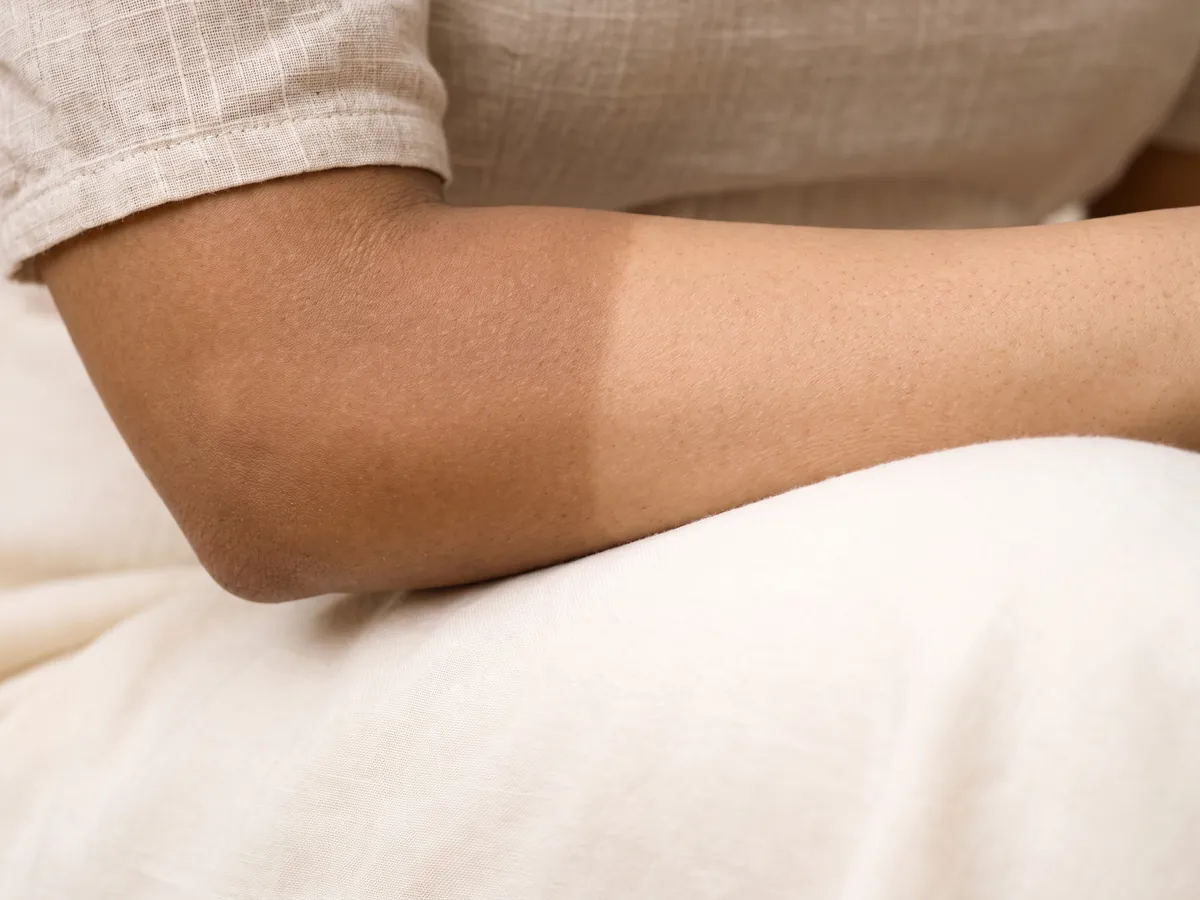
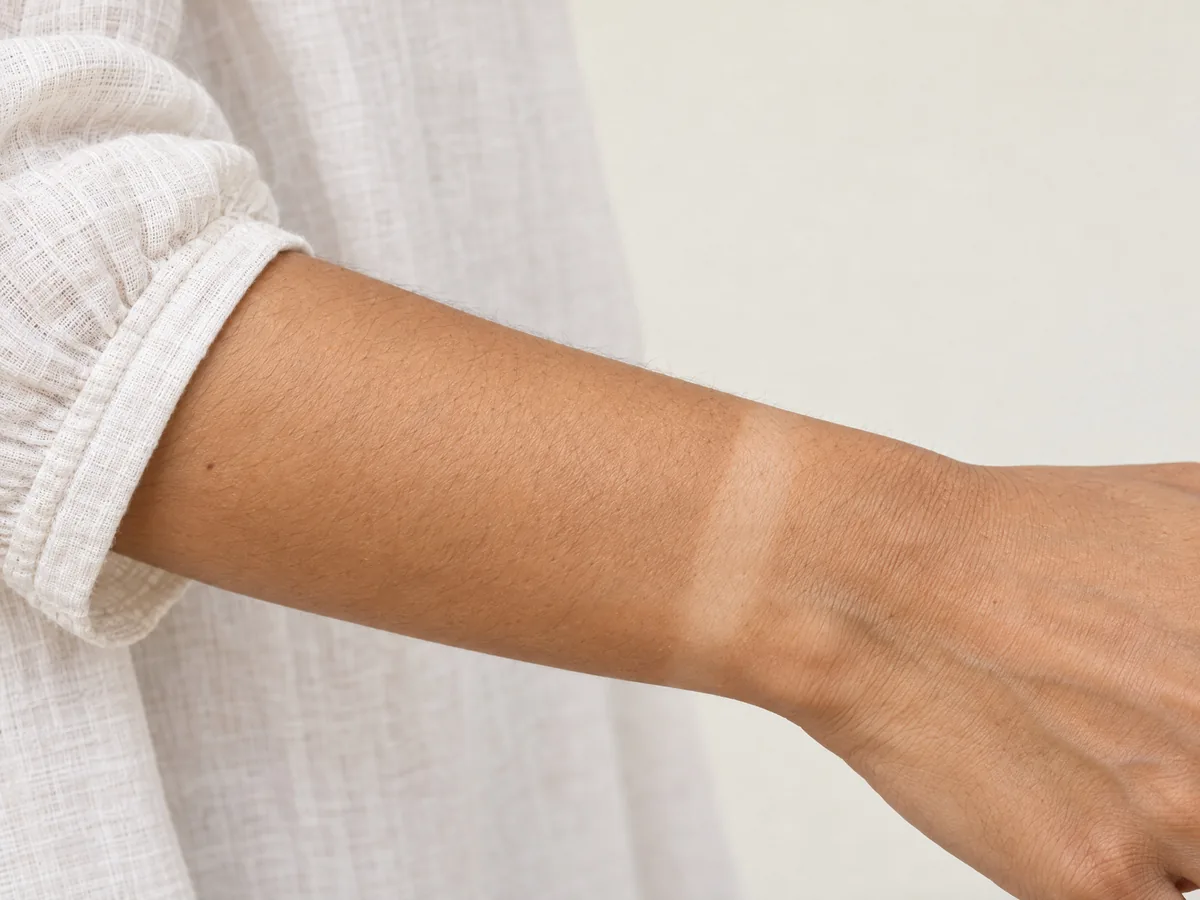
Your skin colour comes from melanin, made by pigment cells called melanocytes. Melanin comes in two forms: eumelanin, a dark brown-black pigment, and pheomelanin, a lighter red-yellow pigment. The more eumelanin your melanocytes make, the darker your skin looks; the balance between the two sets your shade.
Both start from the amino acid tyrosine, through a chain of reactions driven by an enzyme called tyrosinase. Early in that chain a molecule called dopaquinone reaches a fork: left alone, it goes on to form dark eumelanin; when it meets a sulphur-containing (thiol) molecule such as glutathione or cysteine, it is diverted into light pheomelanin instead.
Glutathione is an antioxidant your body already makes, built from three amino acids (glutamate, cysteine and glycine) with an active thiol group. It is understood to lighten skin in three ways:
- It reduces the activity of tyrosinase, the enzyme that drives melanin production.
- Its thiol group binds dopaquinone, switching production from dark eumelanin towards light pheomelanin.
- As an antioxidant, it neutralises the free radicals that sun and inflammation create, which would otherwise push melanin production up.
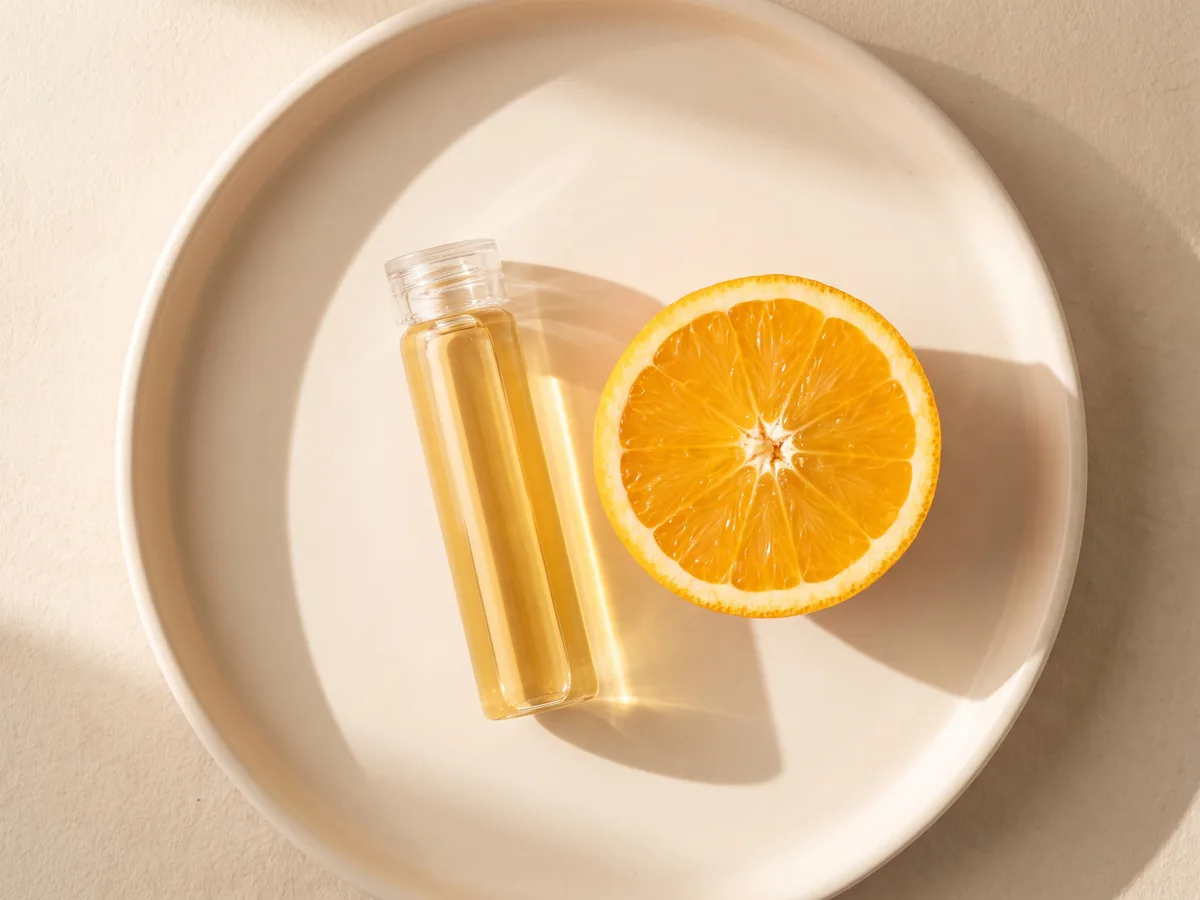
Vitamin C, given in the same drip, helps keep glutathione in its active form and slows melanin formation on its own, which is why the two are combined.
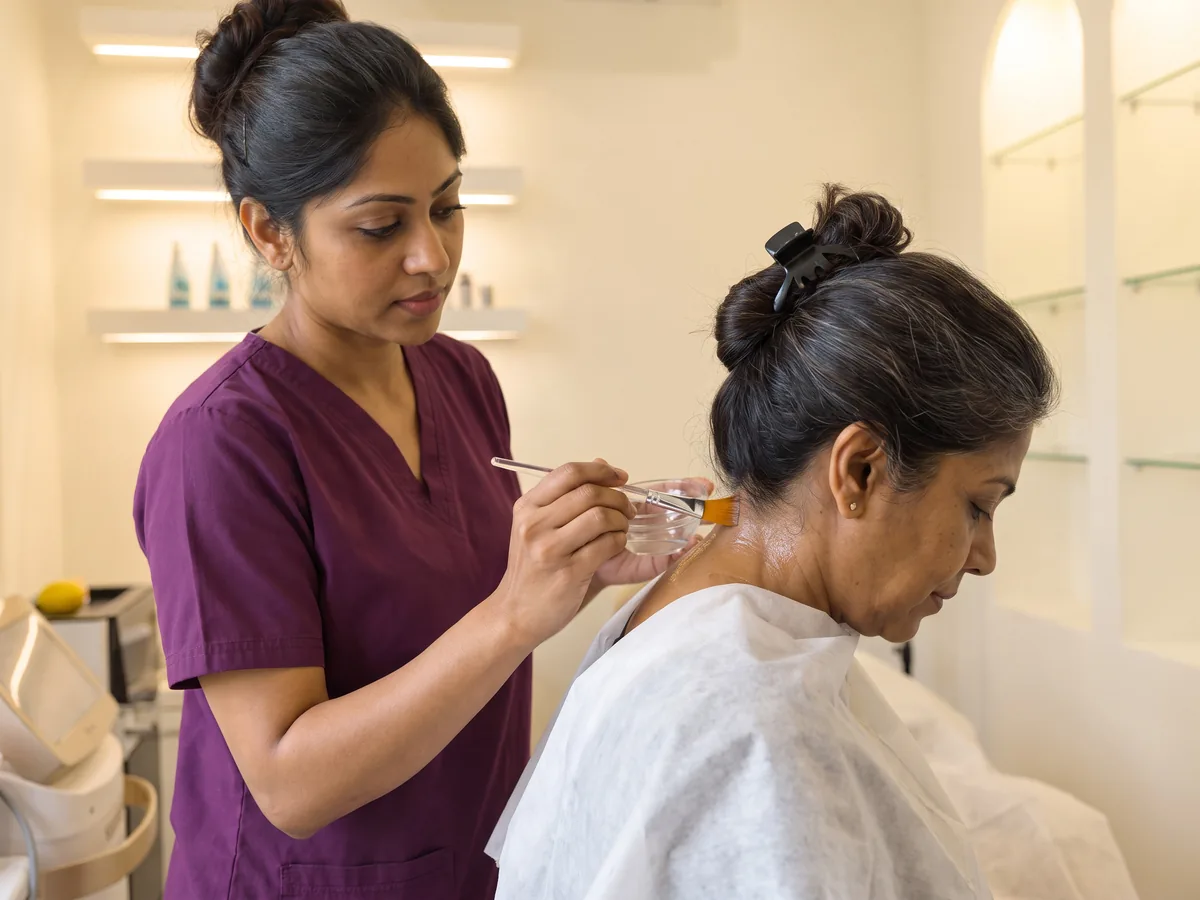
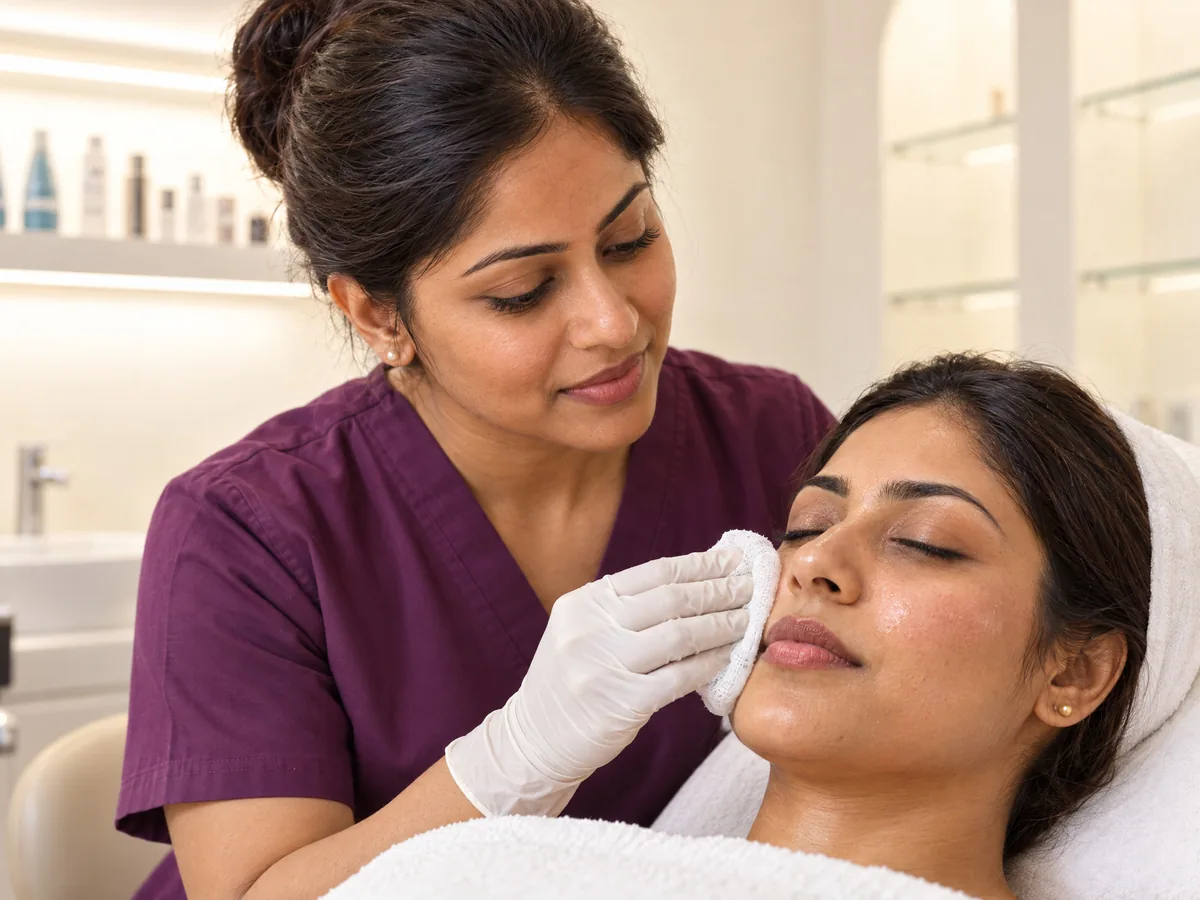
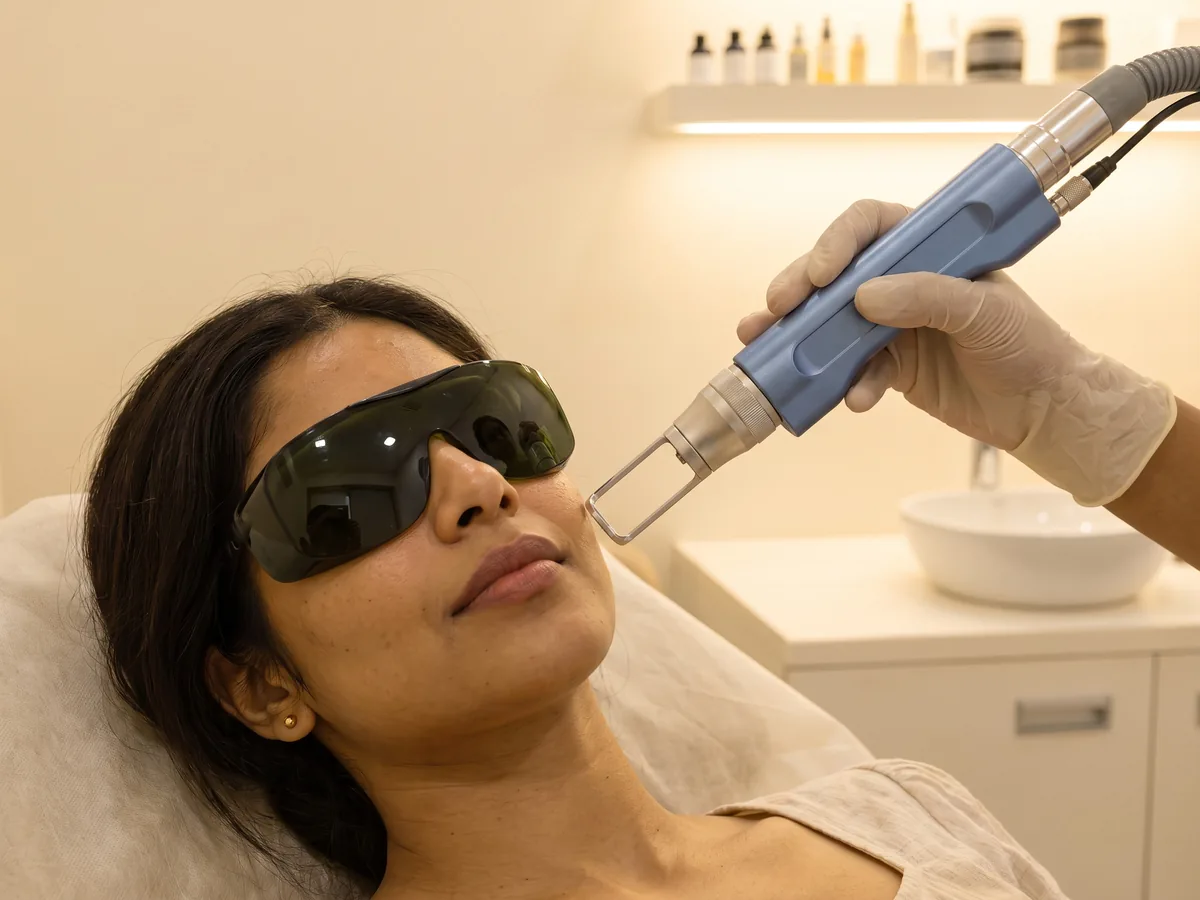
The pigment your skin makes from then on is lighter, so over a course of sessions the overall tone becomes lighter and brighter. Melanin already in the upper layers of skin is shed gradually, so the change shows over weeks, not overnight. Laser and peels clear that existing pigment faster, which is why combining them speeds up the result.
Glutathione: our ingredient guide →