Holi Skin and Hair Care in Jaipur: Before, During and the Week After the Colours
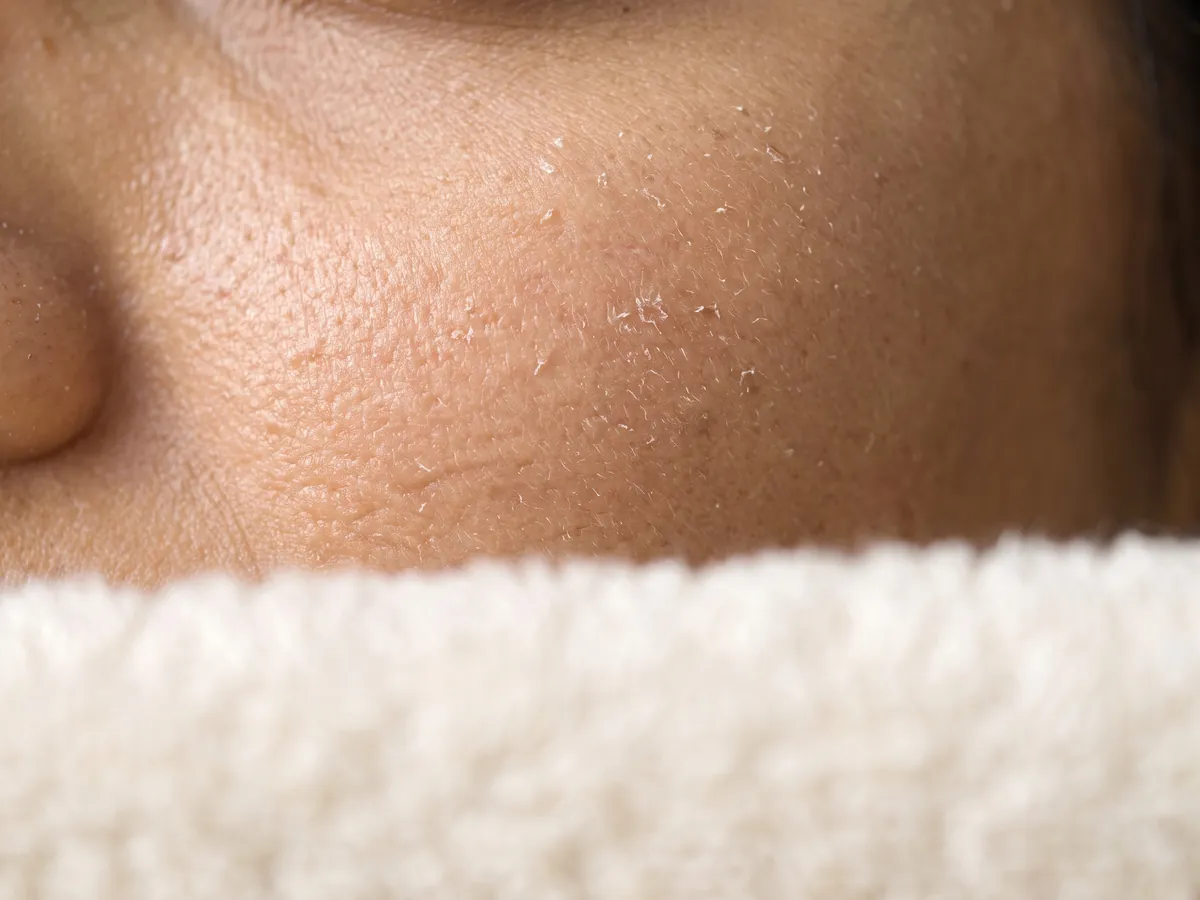
The fortnight after Holi is the busiest barrier-repair period of our year. Jaipur plays Holi hard and in March sun, and synthetic colours plus a morning of ultraviolet plus an afternoon of scrubbing produce a reliable set of problems: contact rashes, chemical irritation, darkening along the hairline and jaw, dry, snapping hair and flaking scalps. This guide covers what is actually in the colours, the preparation the night before that keeps most of it off the skin, how to remove colour without creating the damage the colour did not, and the recovery plan, at home and, where needed, in clinic, for the week after.
- 4.9 / 5 Google reviews
- Prices published · no hidden quotes
- Doctor-designed protocols · therapist-delivered
 Content verified by Dr. Aakriti Mehra, Dermatologist · Last reviewed October 2026 Editorial policy
Protocols designed by her · delivered by certified therapists in Jaipur



 Your skin deserves more than a one-size-fits-all peel. ✨ Get to know…
What is in the colours
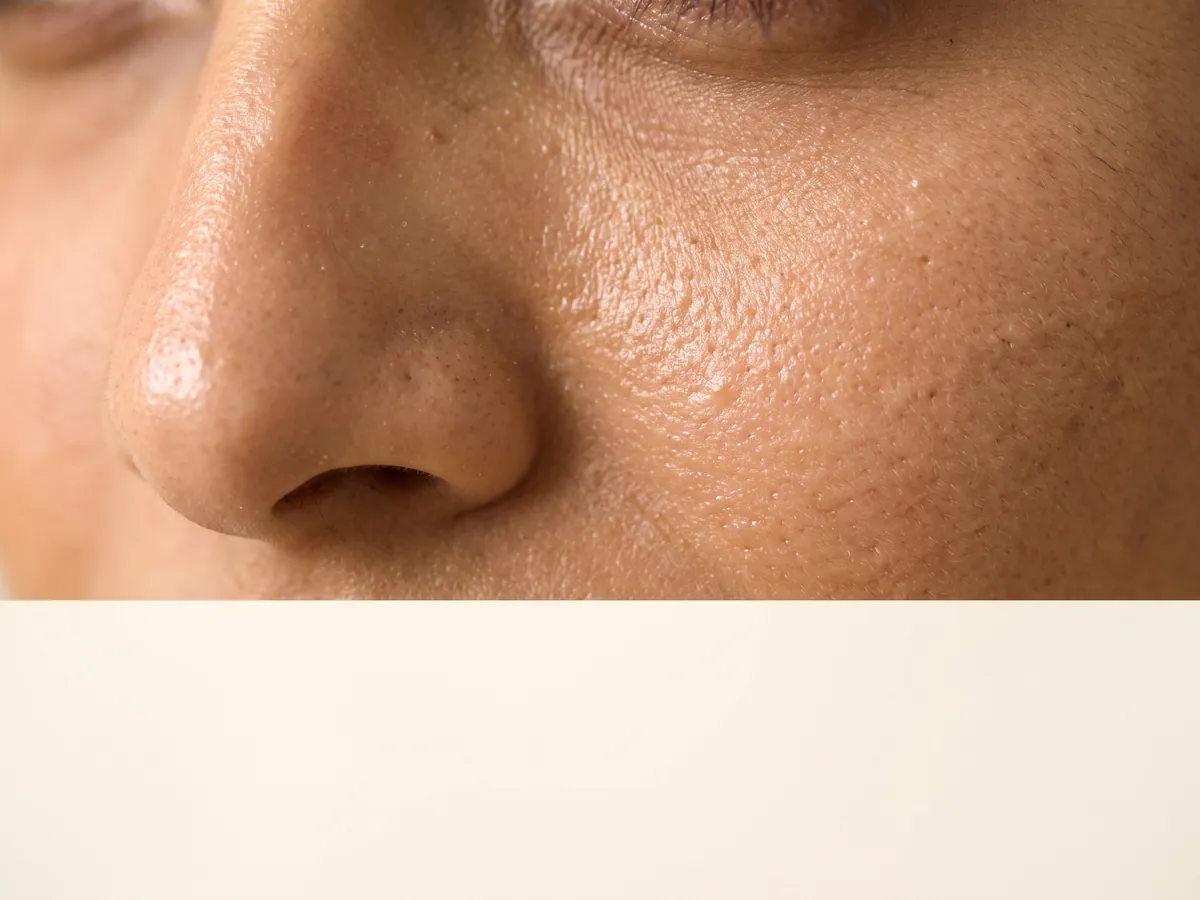
Traditional Holi colours were plant-based, turmeric, flame-of-the-forest flowers, beetroot. Most of what is sold on Jaipur pavements in March is not. Analyses of commercial gulal and wet colours have found industrial dyes, lead and chromium salts in some greens and reds, mica and glass powder for shine, and alkaline bases such as washing soda that lift the skin’s pH. The result on the skin is a mixture of contact irritation, allergic reaction in some people, abrasion from the particles, and, in sun, a photosensitising effect that darkens wherever the colour sat longest: the hairline, the ears, the neck and the jaw.
The night before and the morning of



Removing colour without damaging the skin

Squalane and panthenol, the recovery pair for the days after Holi →
The week after: what is normal and what is not
| Problem | Normal | Needs attention |
|---|---|---|
| Tint on the skin | Fades over 2-3 days | Deep staining that persists after a week, usually darkening, not dye |
| Dryness and tightness | 2-4 days, improving with moisturiser | Cracking, bleeding, or flaking that worsens |
| Redness | A flush for a day | Itchy, raised, spreading rash; blisters; swelling of the eyelids or lips |
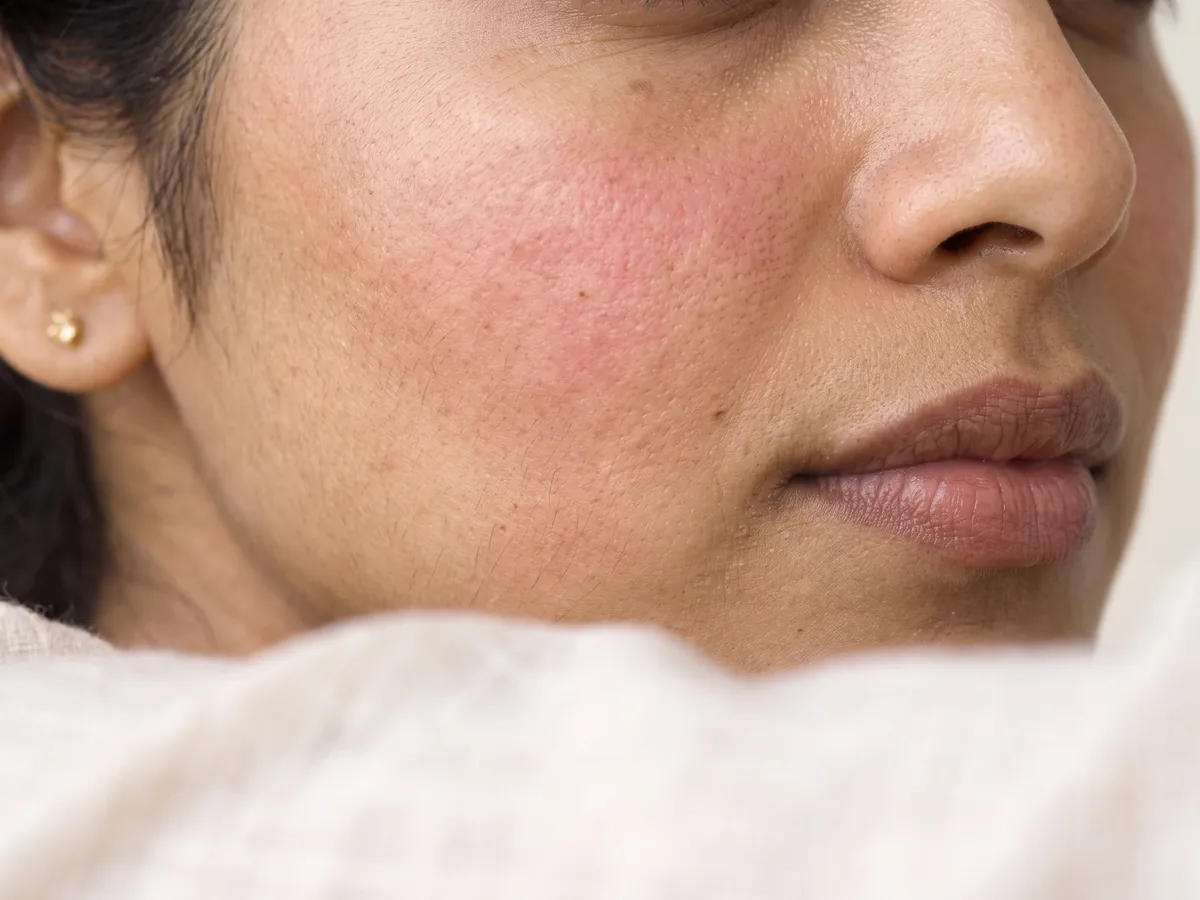
| Darkening along hairline, jaw, neck | Slight, fading over 2 weeks | Patchy darkening that is still there at 2 weeks, post-inflammatory pigmentation |
| Hair | Dry, dull for a week | Snapping, severe tangling, patchy scalp flaking or sores |
| Eyes | Mild grittiness for a day | Pain, light sensitivity, discharge, see a doctor the same day |
An itchy rash that spreads, blisters, or swelling of the face is contact dermatitis or an allergic reaction and should be seen; over-the-counter steroid creams bought at the chemist are the wrong answer on the face and are usually what makes the darkening worse. A short, doctor-prescribed course is the right one.
Redness treatment, for the rash that has not settled in three days →
Home recovery for the fortnight
When to book a clinic recovery
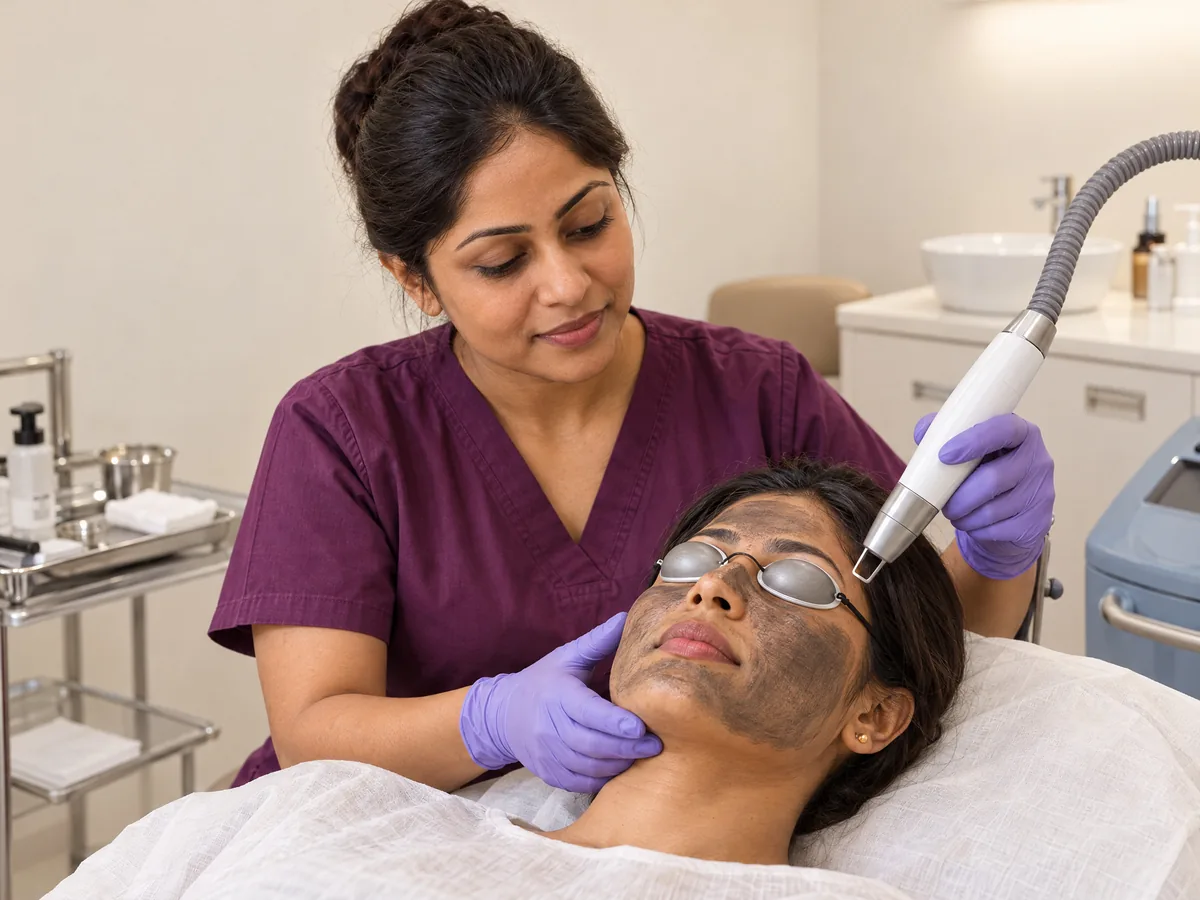
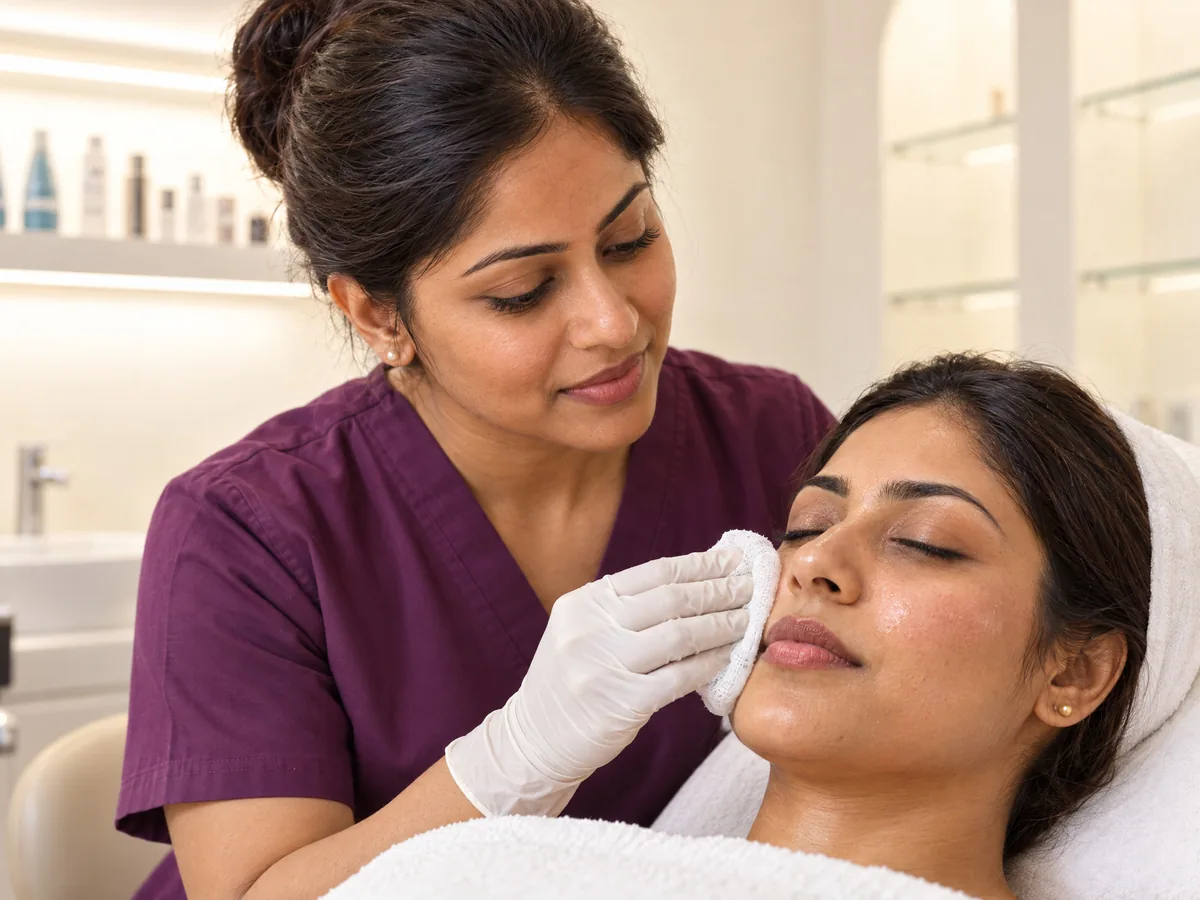
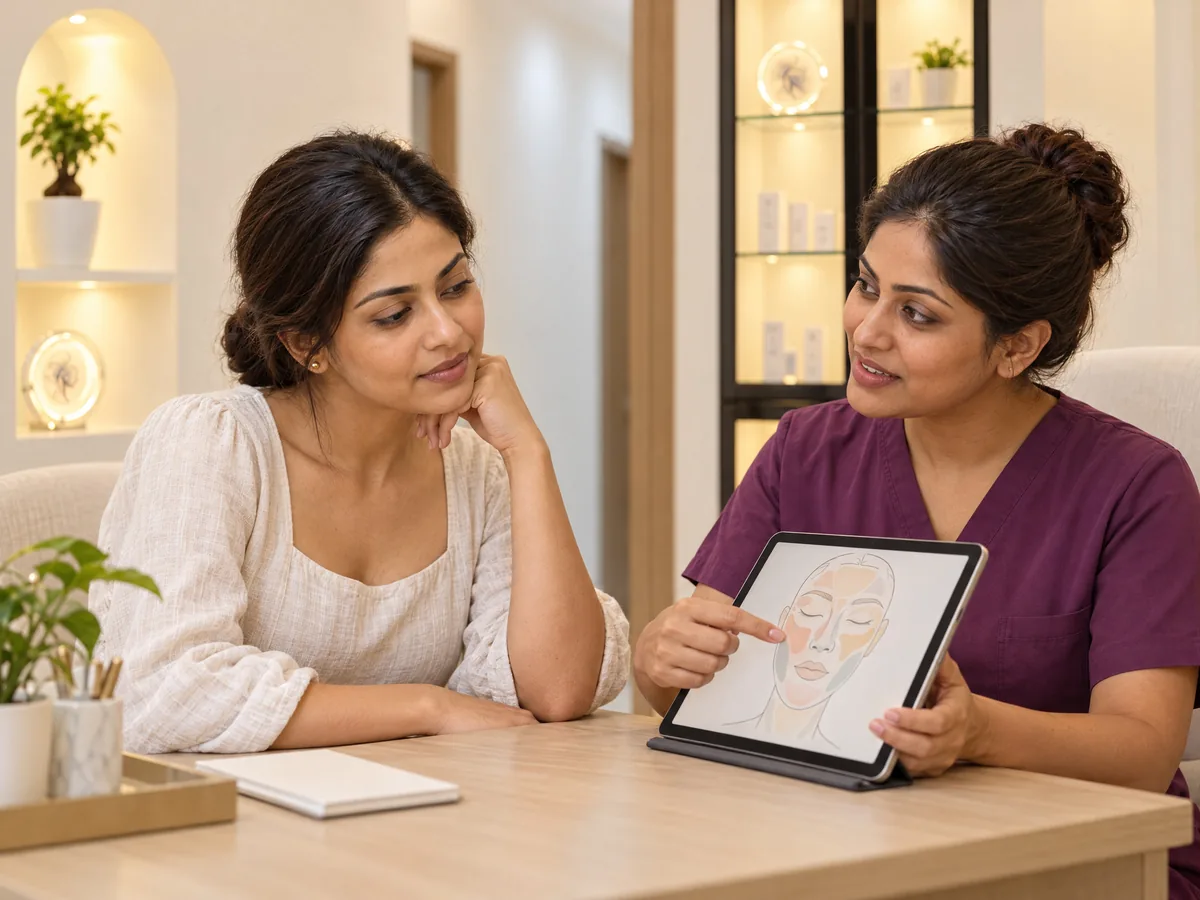
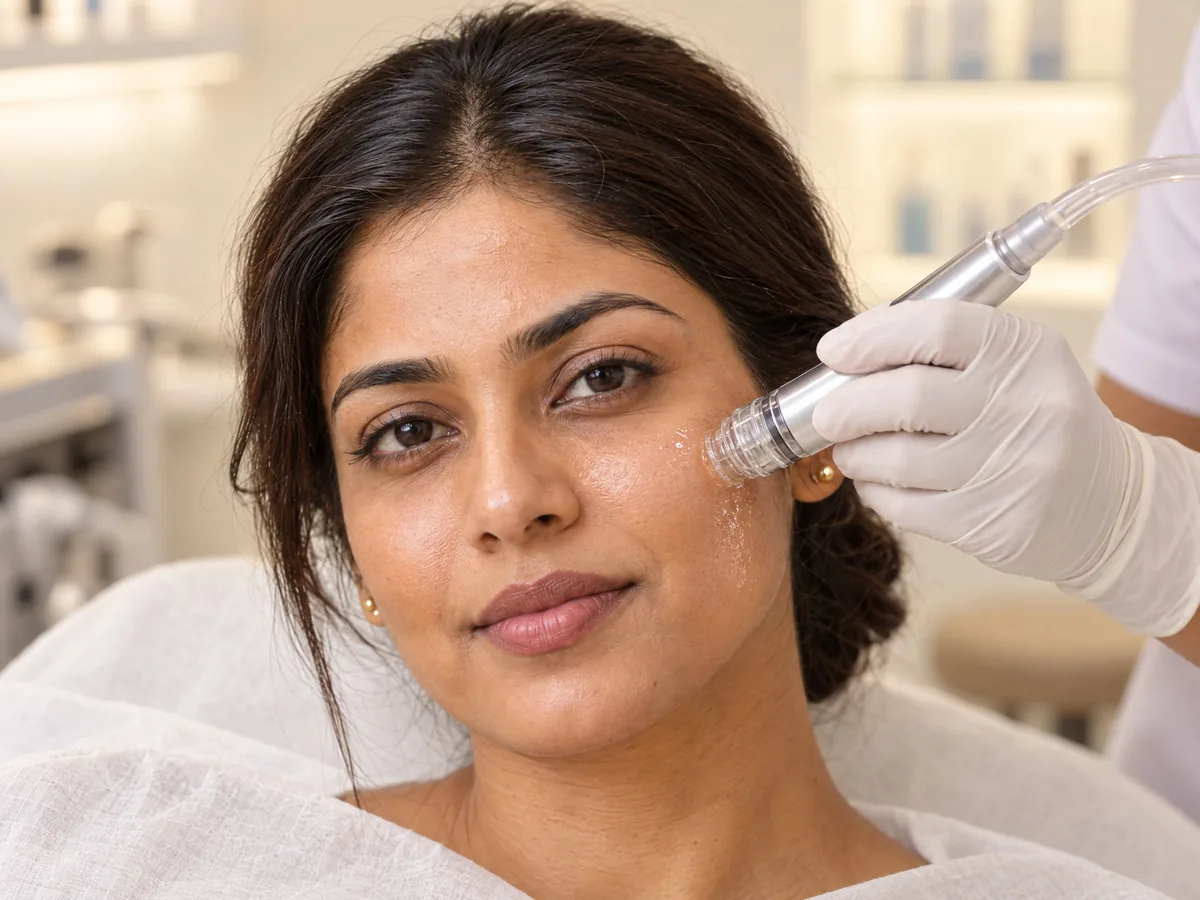
Most Holi skin recovers at home in a week. Book a recovery session when the skin is still tight, red or stinging at day four; when darkening along the hairline, jaw or neck is visible at two weeks; or when the scalp is flaking and sore. The protocols are barrier-first: the Sensitive Skin Recovery Facial or a barrier repair session, hydradermabrasion with hyaluronic infusion, red LED, a ceramide finish, in the first fortnight, and a tan and pigmentation plan from the third week once the barrier can take it. Our treatment rules will not allow peels or energy devices on a barrier the scan reads as compromised, which is the right order even when you are impatient.
Tan removal, for the post-Holi darkening once the barrier has recovered →
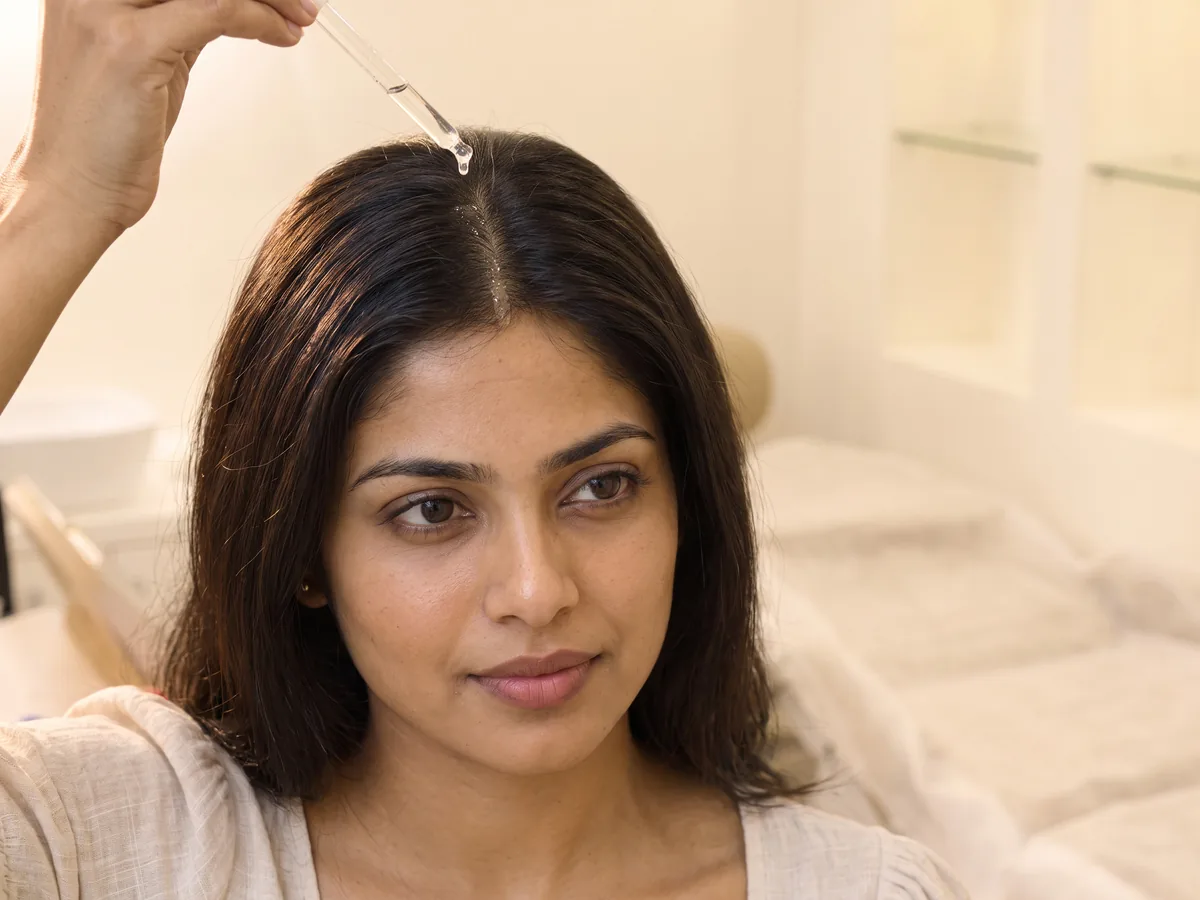
Scalp health treatment, for the flaking, sore scalp that follows the colours →
Most booked in Jaipur
Our clients' most booked treatments

Holi skin and hair care: frequently asked questions
How do I protect my skin from Holi colours?
Mineral sunscreen first, then a thick layer of petroleum jelly, a heavy cream or coconut oil on all exposed skin, oil in the hair and a cover for the scalp, dark nail polish, a lip balm and sunglasses. Pause retinol, acids and scrubs for three days before.
How do I remove Holi colour from my face safely?
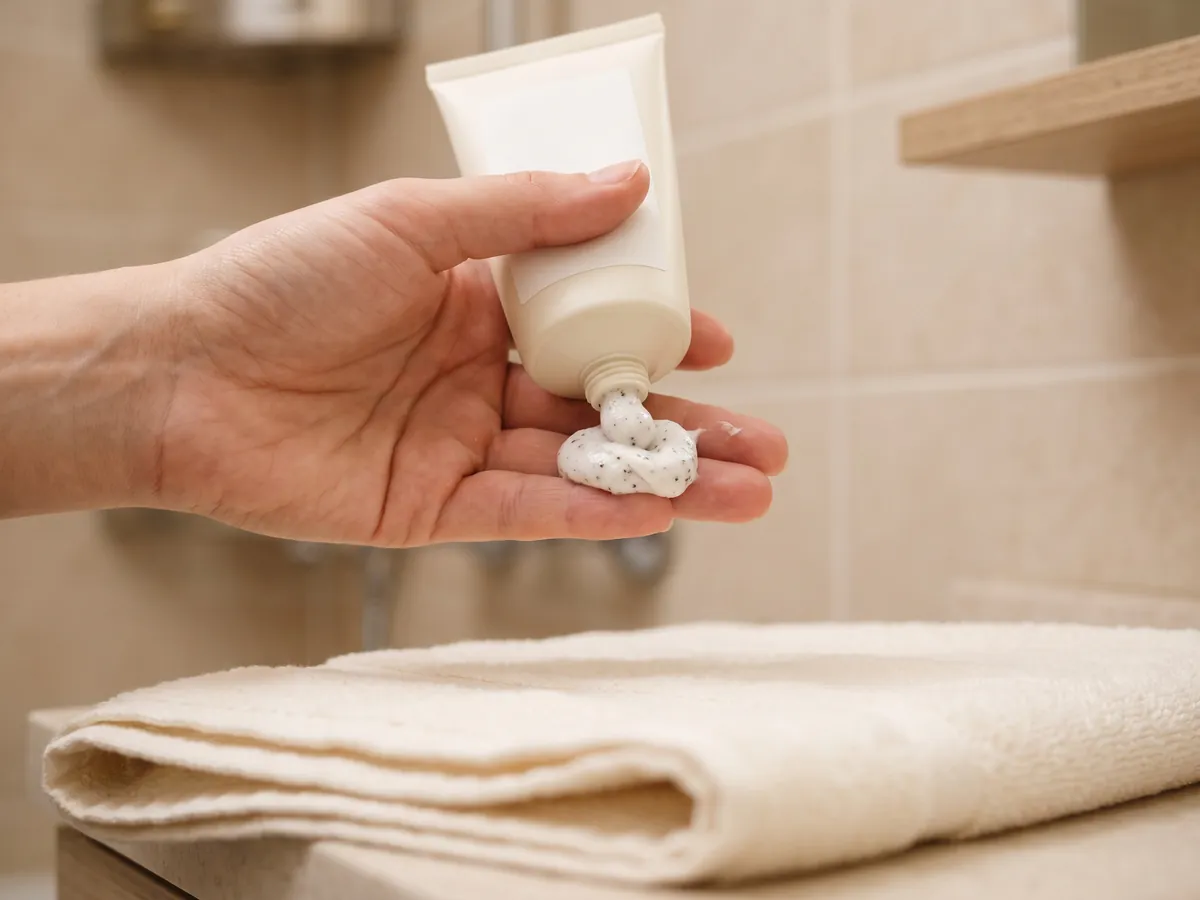
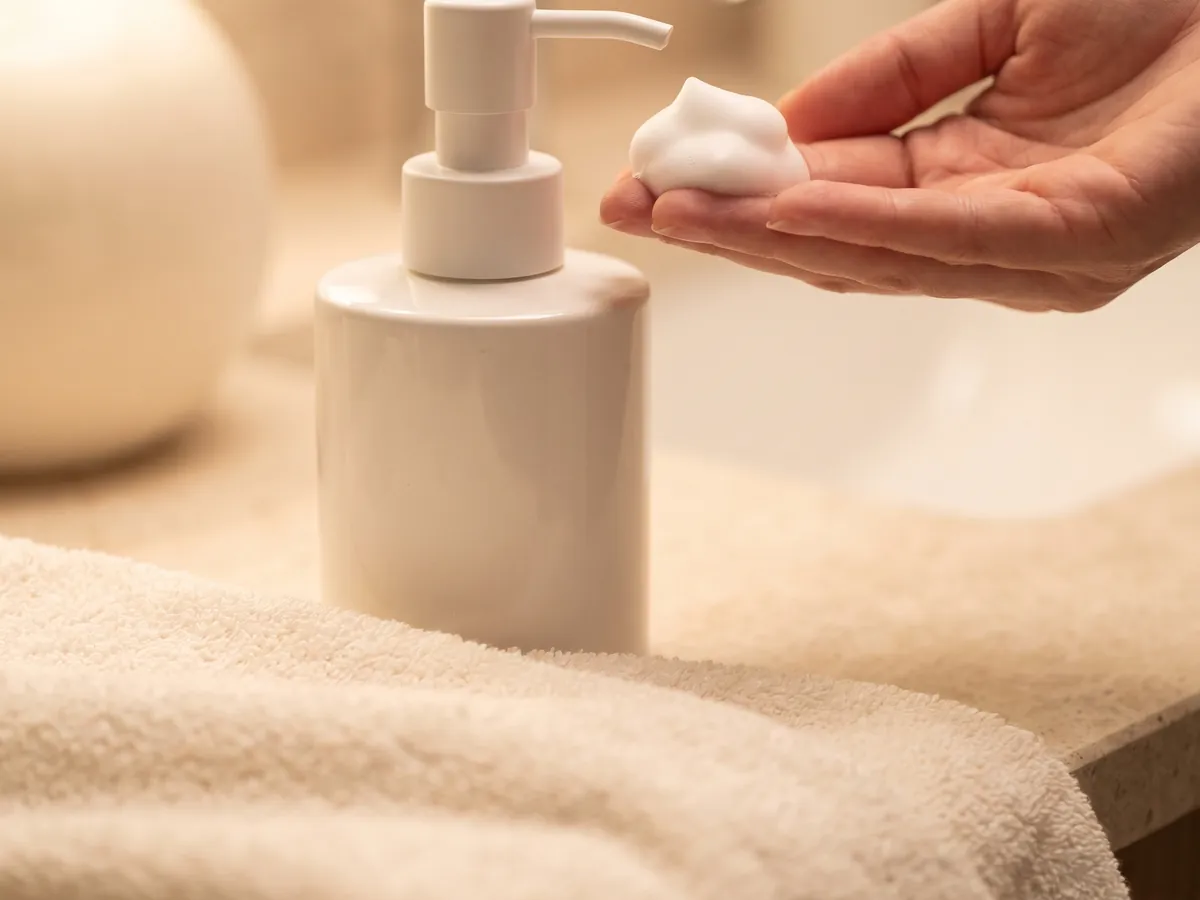
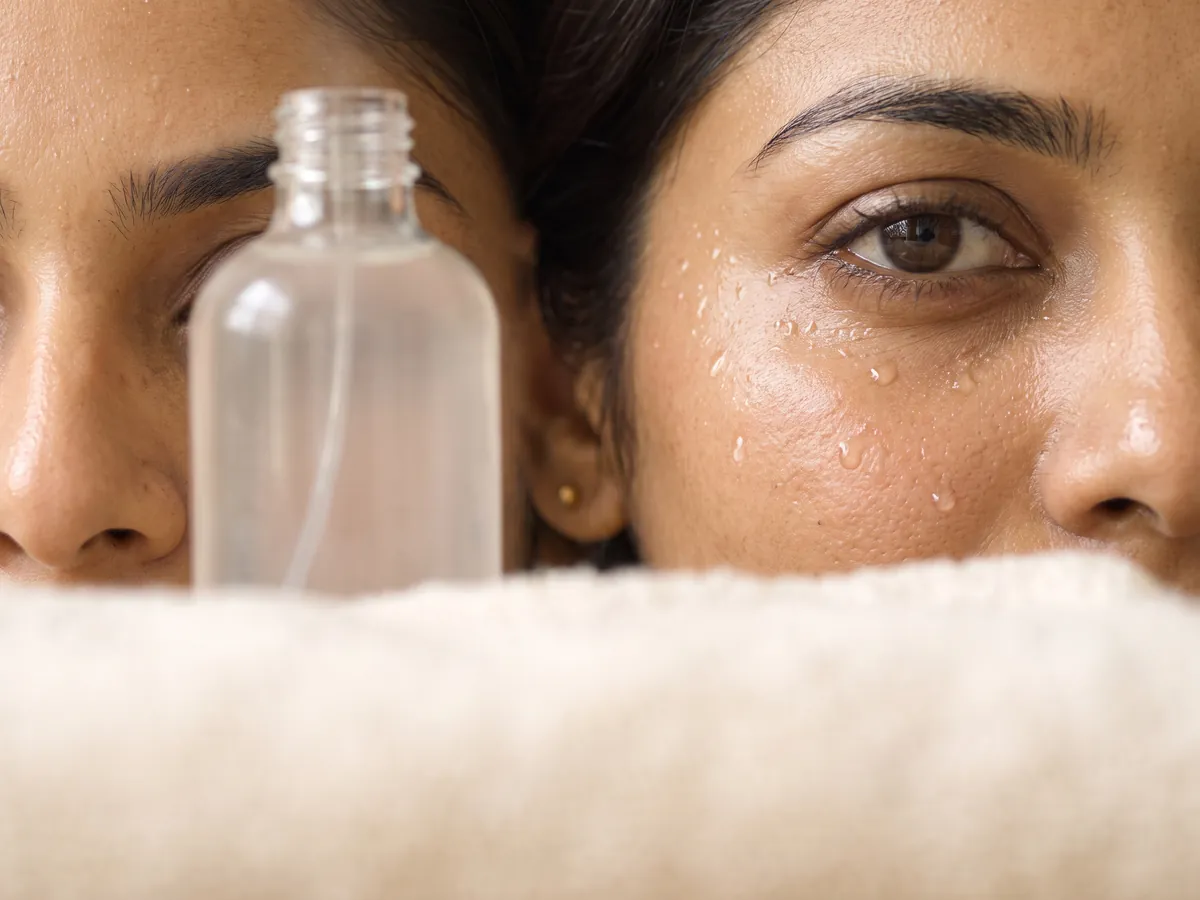
Brush off dry colour before water, massage a light oil or cleansing balm over the stain, wipe with a soft cloth, then wash with a gentle cleanser and lukewarm water. Never scrub or use kerosene, detergent, bleach or nail-polish remover. Faint tint fades in two or three washes.
Why has my skin darkened after Holi?
Synthetic colours irritate and photosensitise the skin, and Holi is played in strong March sun; the darkening along the hairline, jaw and neck is post-inflammatory pigmentation plus tan. Sunscreen and barrier repair for two weeks, then a tan and pigmentation plan if it persists.
I have an itchy rash after Holi. What should I do?
Rinse, apply a bland moisturiser and avoid all actives. If the rash spreads, blisters or the face swells, see a doctor the same day; do not use over-the-counter steroid creams on the face.
When can I get a facial or peel after Holi?
Not for at least a week, and only a barrier-first recovery facial in the first fortnight. Our rules withhold peels and energy devices from a compromised barrier; tan and pigmentation treatment starts from the third week.
How do I fix my hair after Holi?
Rinse with plain water before shampoo, deep-condition the lengths, rinse with filtered water, oil before every wash for two weeks, and avoid heat and chemical treatments for a month. A flaking, sore scalp needs a scalp health session.